What is the “Black Box of Delivery”?
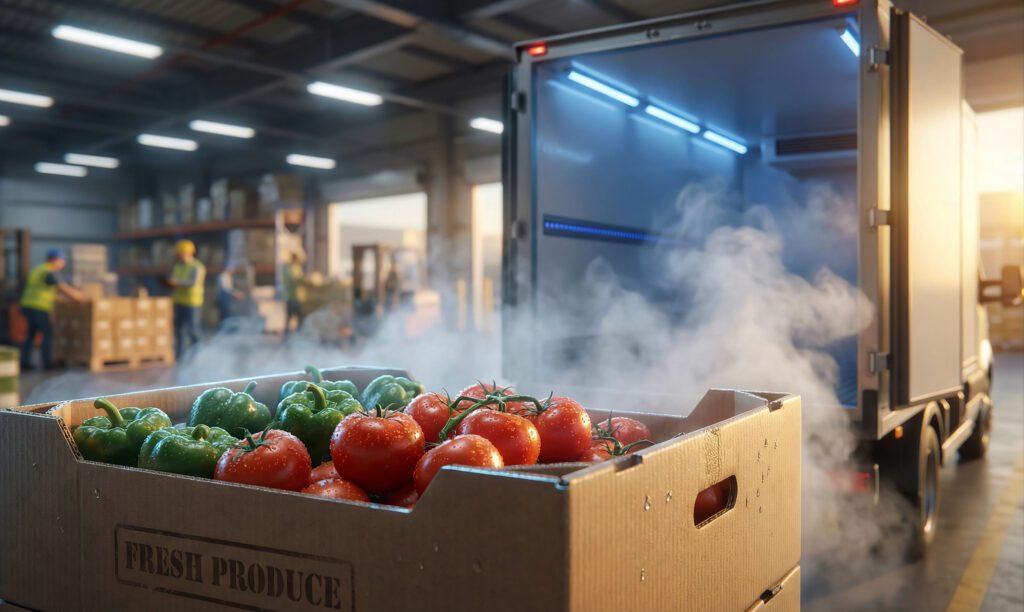
For many food distributors, the ‘Black Box’ of delivery can be defined as the visibility gap between the depot and the drop-off.
When a business relies on physical paperwork, it essentially loses sight of the operation the moment a vehicle leaves the gate. This lack of transparency can come from lost paperwork, illegible signatures, delays in returning delivery notes, and manual data entry. These inefficiencies do more than create an administrative burden; they result in delayed communication with finance teams and a significant reduction in margin protection.
What are the critical risks of a paper-based delivery operation?
A lack of operational visibility introduces three primary risks that can impact food sector businesses:
- Delayed Invoicing and Cash Flow: If you cannot invoice promptly, you extend debtor days. This weakens your negotiating position with customers and directly hurts cash flow.
- The Evidence Gap in Disputes: When customers question deliveries weeks later and you are searching for physical paper, confidence drops fast. Even when you are right, the lack of immediate evidence puts you on the back foot.
- Wasted Sales Pipeline Time: Internal costs mount when sales teams are dragged into operational noise. Time that should be spent on growth is instead wasted resolving issues that should not exist in the first place.
When logistics firms replace paperwork with a digital delivery system, they solve these critical issues that can drag down a sales and finance operation.

How do digital delivery systems help protect margins?
Digital delivery systems, also known as Electronic Proof of Delivery (EPOD) systems allow fleet managers to protect margins by mitigating the risk of rising operational costs such as fuel prices and vehicle maintenance. For example, moving away from manual scheduling towards an EPOD system with route optimisation ensure deliveries follow the most efficient path. This directly reduces fuel consumption and vehicle wear while ensuring that fresh produce arrives on or ahead of time. When logistics firms replace paperwork with a digital workflow, they solve the critical issues that typically drag down a sales and finance operation.
How Can Visibility Be A Real Value Proposition for Food Distributors?
Visibility is a key differentiator that drives high levels of customer service in this competitive marketplace. When food distributors replace paperwork with electronic proof of delivery systems such as PODStar, delivery data is captured once, correctly, and stored centrally. Centralised data storage for digital delivery operations provides confidence by removing the risks associated with manual processes such as double data entry, missing paperwork and inefficient processes. Ultimately, visibility is a real-world value proposition that drives business growth for companies operating within the food sector.
Case Study: The Tican Chilled transformation
The impact of digital delivery operations is evident with Tican Chilled. By replacing manual paperwork with a digital workflow, they transformed their delivery process into a transparent, data-driven operation.
For Tican Chilled, the transition was about gaining a live whereabouts of every vehicle and ensuring end-to-end monitoring of goods in transit. This level of visibility ensures that schedules stay optimised even after the driver leaves the depot, allowing the back office to use ‘exceptions systems’ to report and act on true disputes in real time.
Ready to eliminate the Black Box?
Stop letting paper processes erode your profitability and stall your invoicing. Speak to us for a demo today to see how PODStar can transform your delivery operations.

Sohil Ahmad
Sales Account Manager, Touchstar